

Iberá Wetlands — Grand National and Provincial Park: destination guide, Corrientes, Argentina
Corrientes · Argentina
Iberá,
the shining water
One of South America's most biodiverse wetlands. 758,000 hectares of protected park. Argentina's most vibrant nature destination — and the stage for the continent's great rewilding.
Photo: Leo Bayol
The destination
What are the Iberá Wetlands?
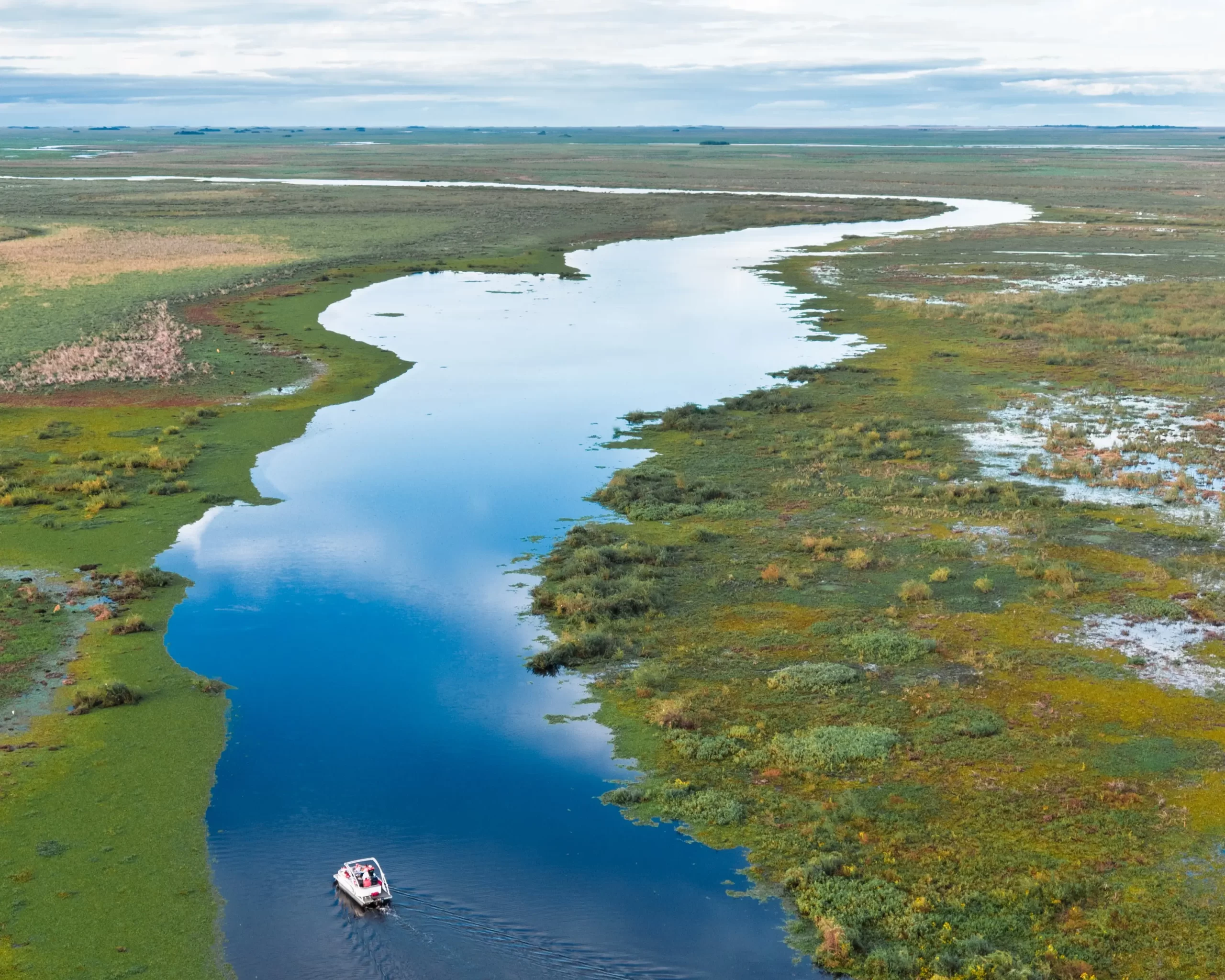
In the Guaraní language, Iberá means shining water. The name could not be more precise: Iberá is a subtropical wetland of extraordinary proportions, where water — in the form of esteros, lagoons, flooded grasslands and streams — gives shape to an ecosystem of exceptional biodiversity in the heart of Corrientes province.
This is not a conventional destination. There are no mountains, no beaches, no historical monuments. Iberá offers something harder to find: nature in its purest state, abundant and easily observed wildlife, and a silence that few places on the planet can guarantee.
It is also a destination of transformation. Since 1983 Iberá has been protected by provincial law, and since 2018 it has a National Park. In recent years, thanks to the most ambitious rewilding programme in Latin America, species that had been regionally extinct returned to walk, swim and soar over their wetland home.
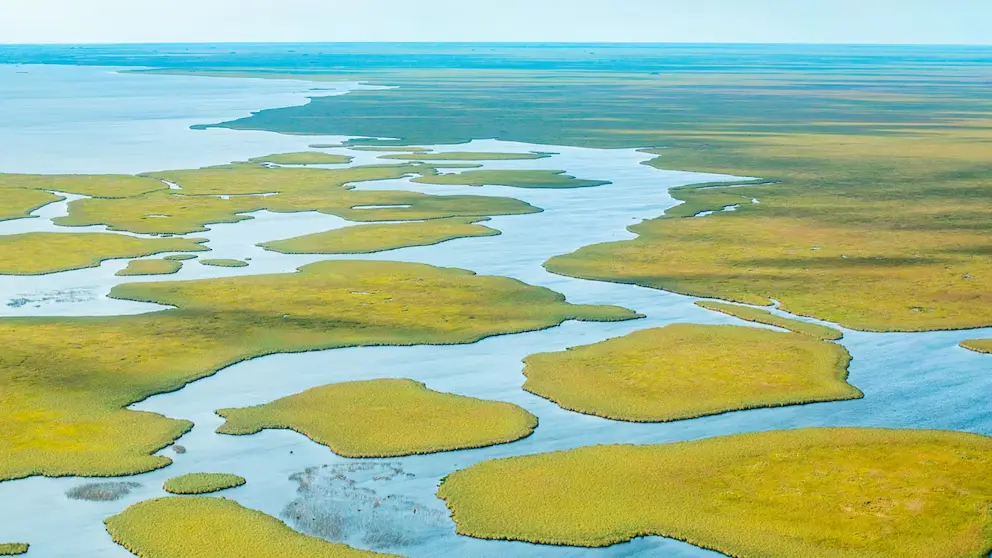
Photo: Matias Rebak
The protected area
The Grand Iberá Park
Iberá is not a single protected area but the overlap of three legal jurisdictions that together form the Grand Iberá Park — one of the largest conservation areas in Argentina.
The full Iberá basin, protected since 1983 by provincial decree. The broadest designation, including private land and buffer zones alongside the core park.
The central conservation core, demarcated in 2009 and expanded in 2016 and 2021. Includes grasslands, palm groves, gallery forests and the large water bodies of the system.
Created by National Law on 5 December 2018 on land donated by Tompkins Conservation and Rewilding Argentina. Contributes upland habitats not represented in the provincial park.
Source: Fundación Rewilding Argentina, 2025
The wetland
A landscape made of water
Iberá is, at its core, a system of vast rain-fed marshes. These zones fill seasonally and give rise to an ecosystem of unusual complexity: crystal-clear lagoons covered in embalsados — floating mats of vegetation so dense it is possible to walk on them — grasslands of coloured and grey grasses, caranday and yatay palm groves, gallery forests running alongside the streams and dry woodlands on sandy ridges.
This diversity of environments explains Iberá's extraordinary biodiversity. Each ecosystem has its associated fauna: waterbirds dominate the open water bodies; large mammals like the marsh deer prefer the flooded grasslands; the giant anteater patrols open fields; and the jaguar — currently being reintroduced — requires the continuity of all these habitats across a vast territory.
Wildlife
Wild fauna in its natural habitat
El Tránsito is fully immersed in the Iberá Wetlands: within minutes of heading out on the stream you are navigating the wetland. Animals live in complete freedom — we cannot guarantee sightings of any particular species, but encounter rates with the most emblematic wildlife are very high. The eight species designated as Natural Monuments are the emblem of the destination. Over 350 bird species have been recorded in the area.
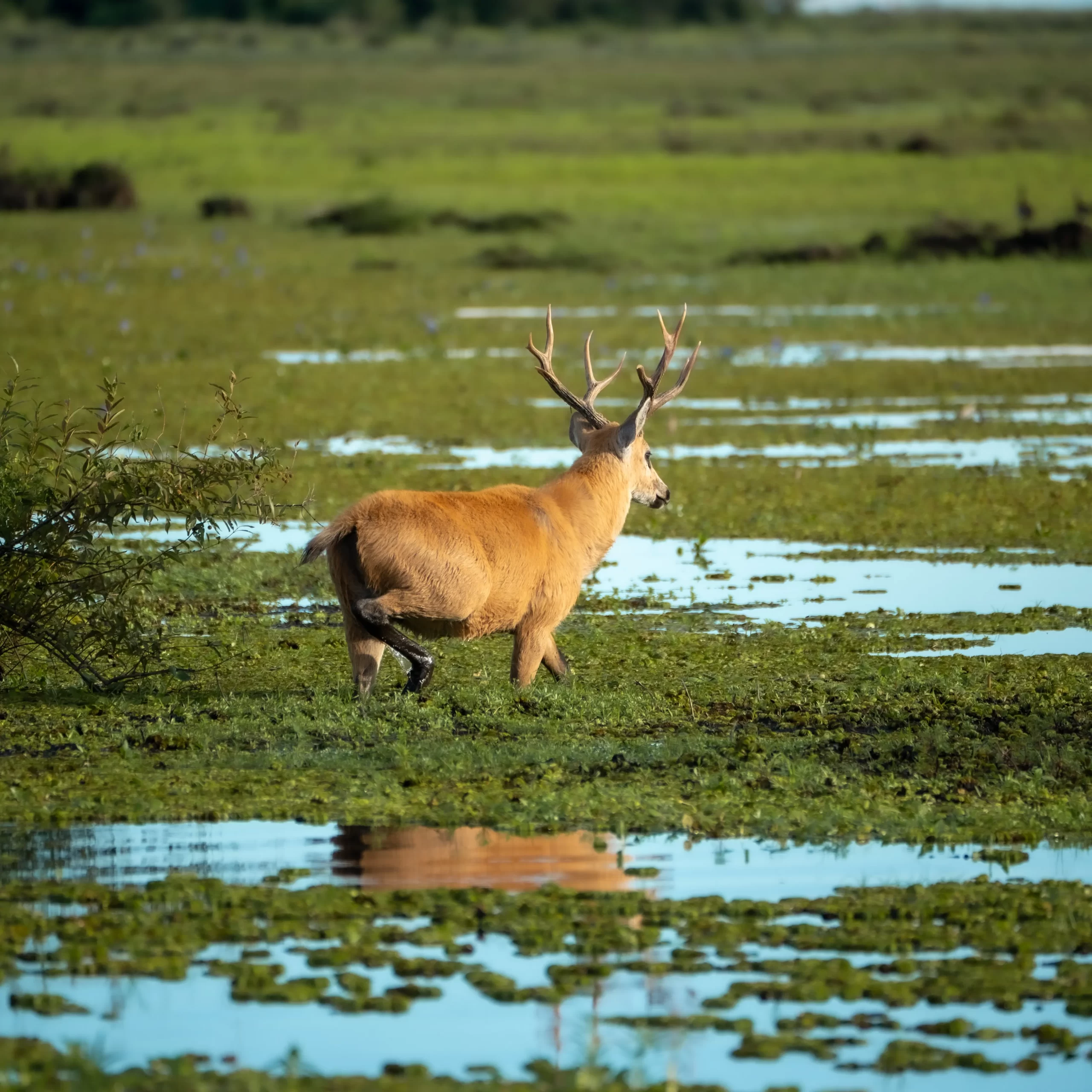
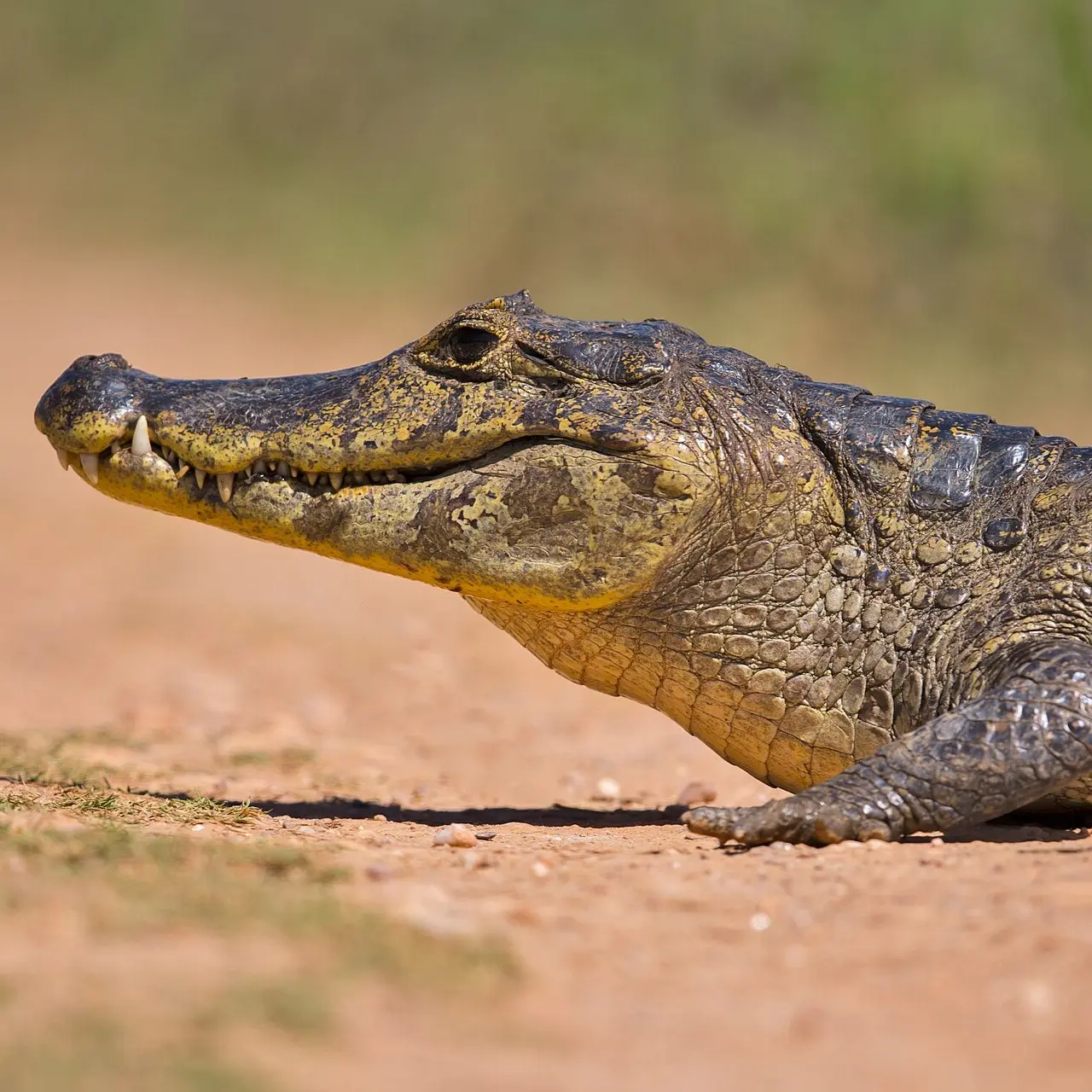
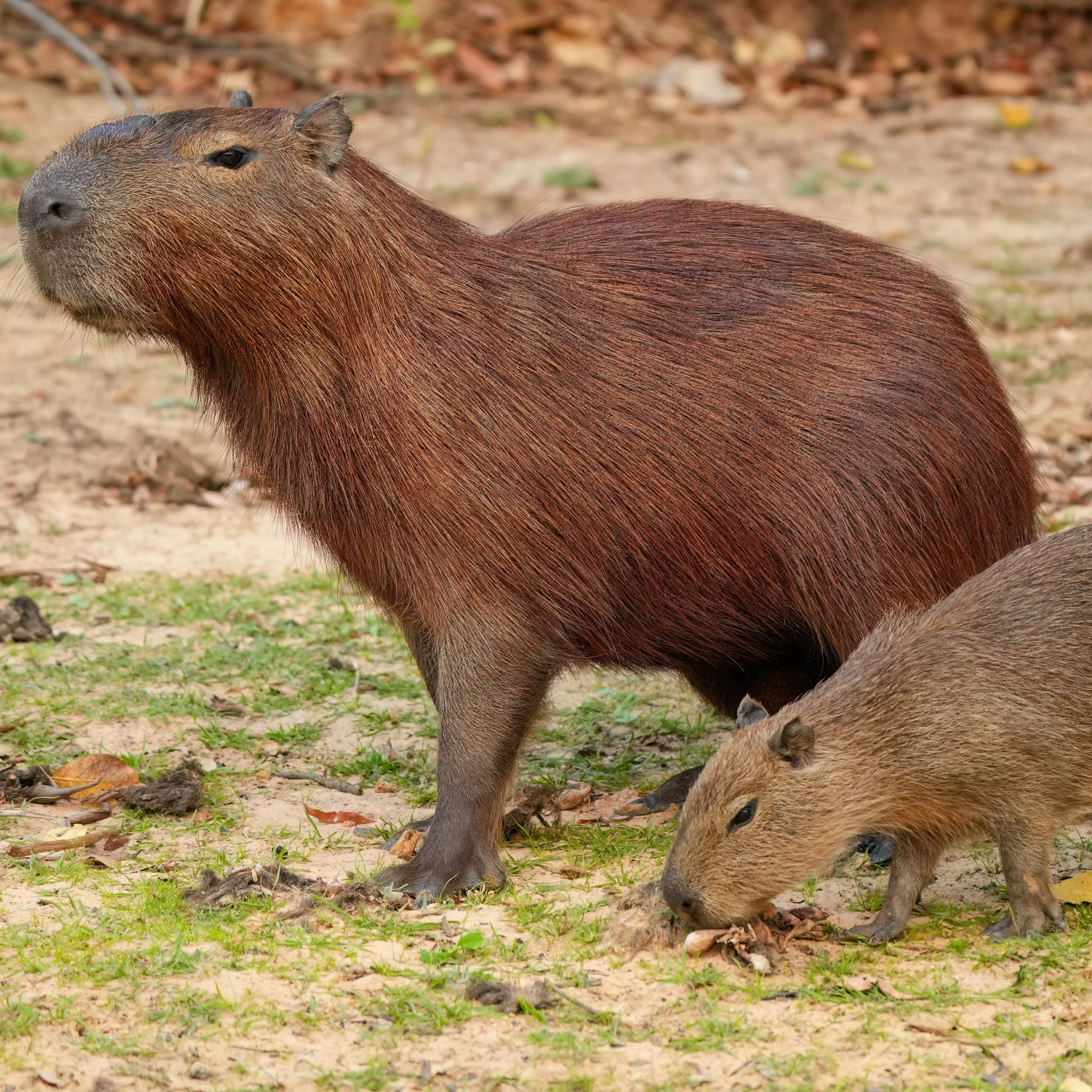
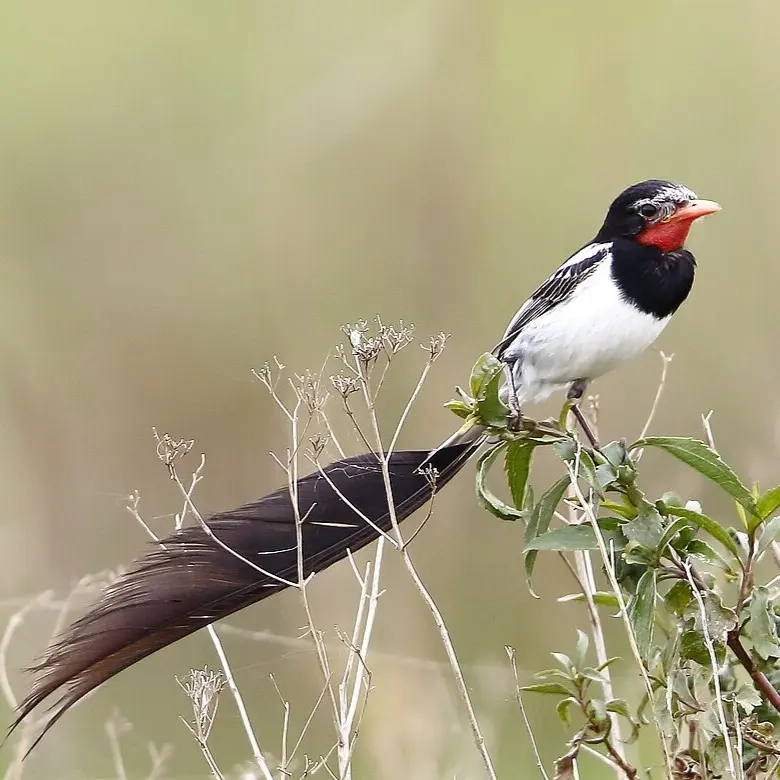
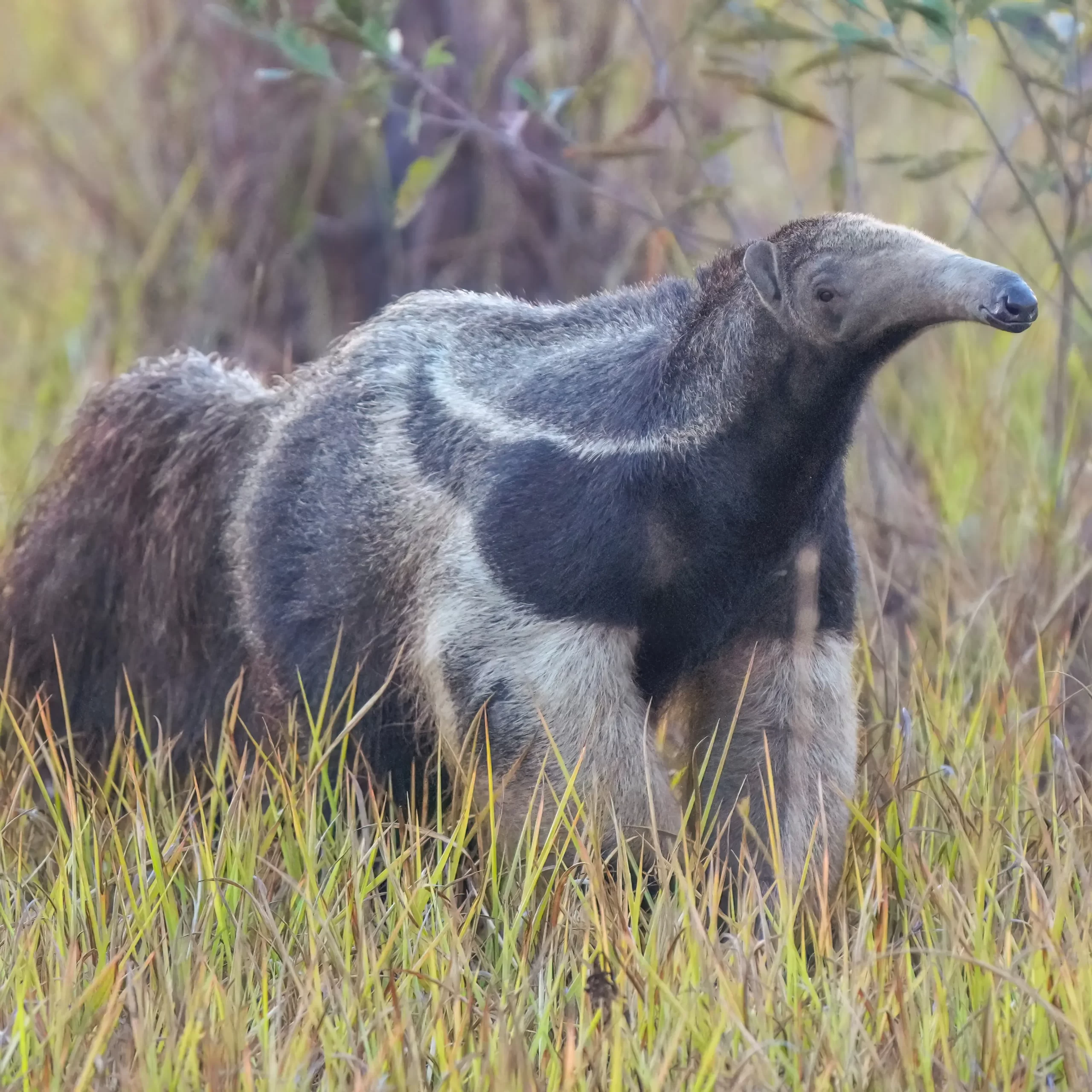
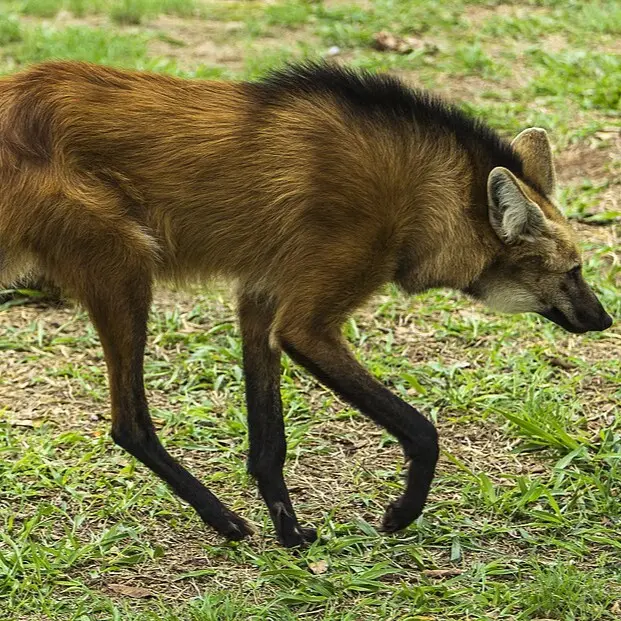
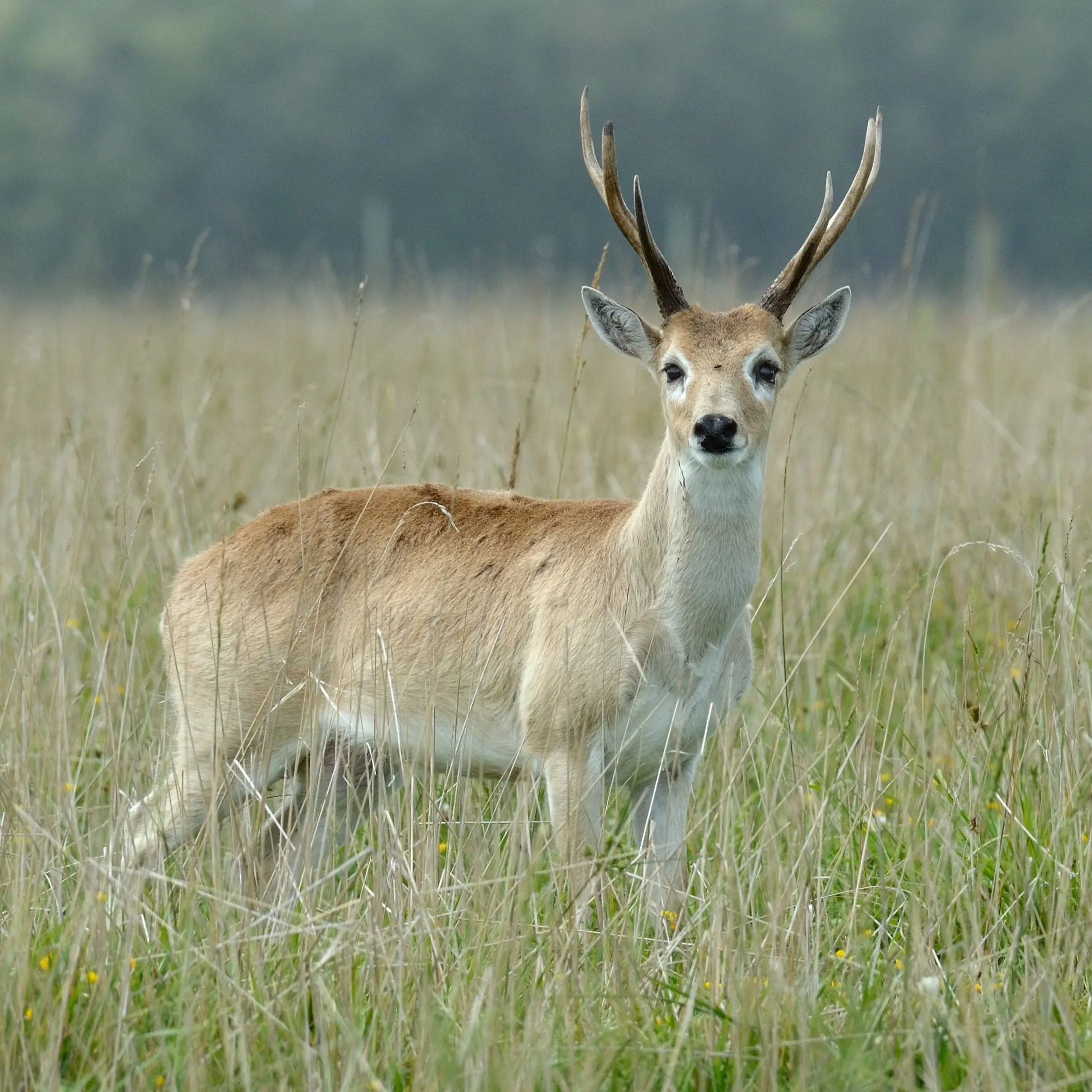
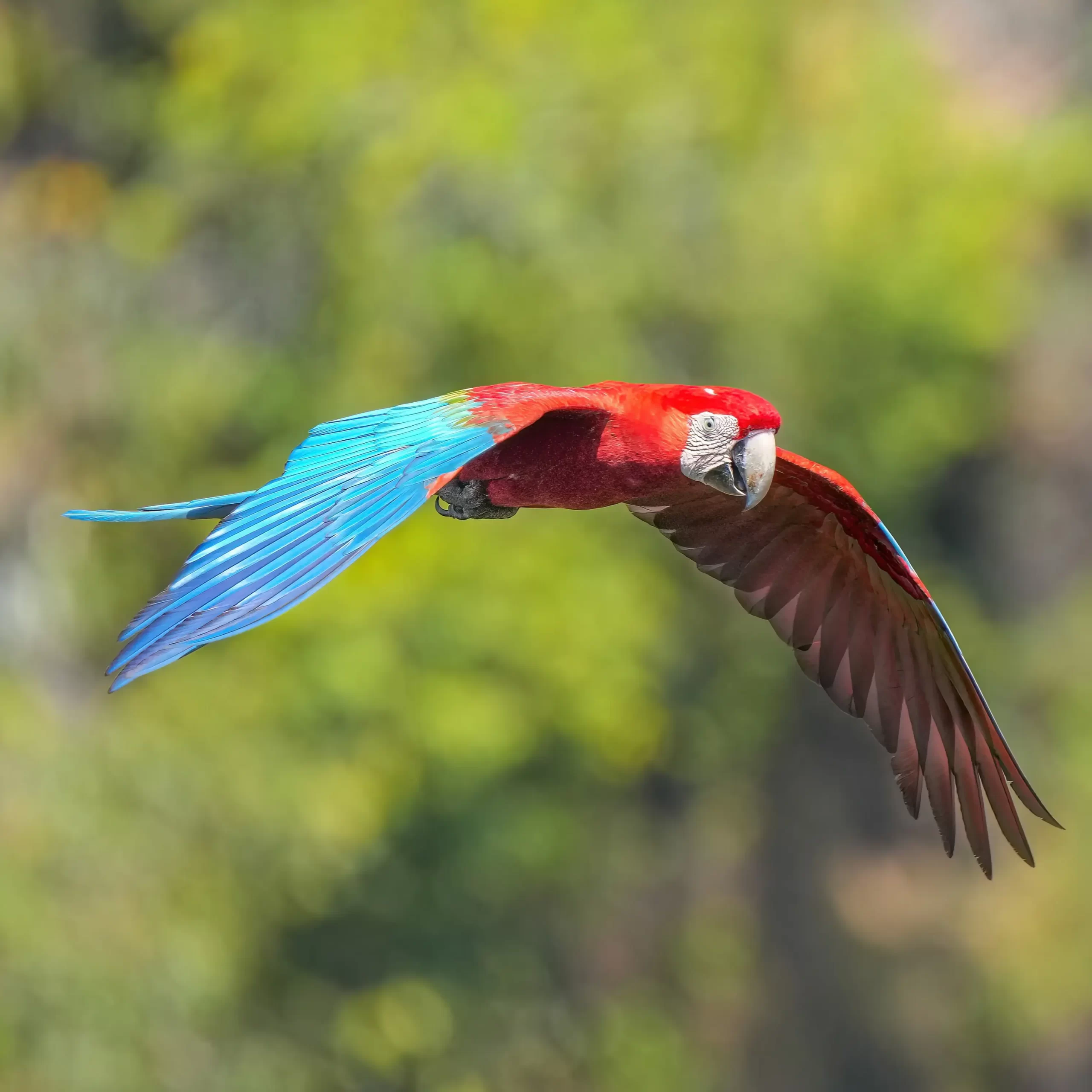
Iberá is home to 8 animals designated as Natural Monuments in Argentina. Source: Iberá Tourism Guide, Corrientes Government, 2020. All wildlife excursions are led by professional guides from El Tránsito.
Nature in recovery
The largest rewilding programme in Latin America
Since 2007, Iberá has been home to the most ambitious ecological recovery effort on the continent, coordinated by Fundación Rewilding Argentina. BBC Travel described the story as Argentina's answer to the return of the wolf to Yellowstone. Species absent for decades have returned, transforming the destination into a living laboratory of conservation.
Giant anteater
Extinct in Corrientes by the mid-20th century. Successfully reintroduced; now regularly spotted in multiple park portals.
Red-and-green macaw
Absent from Argentina for over 150 years. The first free-flying flocks are now seen over the Cambyretá Portal and the park's northern zone.
Collared peccary
Extinct in Corrientes in the 20th century. Reintroduced populations established in several portals, including the Carambola area.
Pampas deer
Corrientes holds the country's largest population. Iberá is the primary refuge for this species, declared a Corrientes Natural Monument.
Jaguar
The largest feline in the Americas has returned to Iberá. Over 50 free individuals now roam the park. A sighting in the wild is possible but very unlikely — the animal is extremely elusive.
Giant river otter and ocelot
Under evaluation for reintroduction. Their eventual return would complete the trophic chain of the wetland after decades of absence.
Source: Fundación Rewilding Argentina — Iberá Project, 2025
Seasons
When to visit the Iberá Wetlands
The Iberá Wetlands can be visited all 12 months of the year. Thanks to Corrientes' subtropical climate, even winter offers comfortable temperatures and ideal wildlife-watching conditions. How to get to the lodge →
Pleasant temperatures (18–26°C), fewer visitors. Moderate rainfall. Landscape colours shift. Excellent for birds and mammals.
Cool temperatures (12–20°C), clear skies, low humidity. Wildlife concentrates near water. Starlit nights. No mosquitoes.
Newborn young, flowering aquatic vegetation, birds in breeding behaviour. Rising temperatures. Very vibrant landscape.
Hot and humid (30–38°C), with afternoon storms. Wildlife is most active in the early hours. The landscape is lush and intensely green.
How the destination works
Iberá is not one place on the map.
It's ten.
A common mistake among first-time visitors is arriving in search of "the" Iberá, as if it were a single location. The Grand Park covers 758,000 hectares and is accessed through ten entry portals distributed along more than 1,000 km of Iberá Scenic Route. Each portal is a doorway to a different landscape, different wildlife and a different experience.
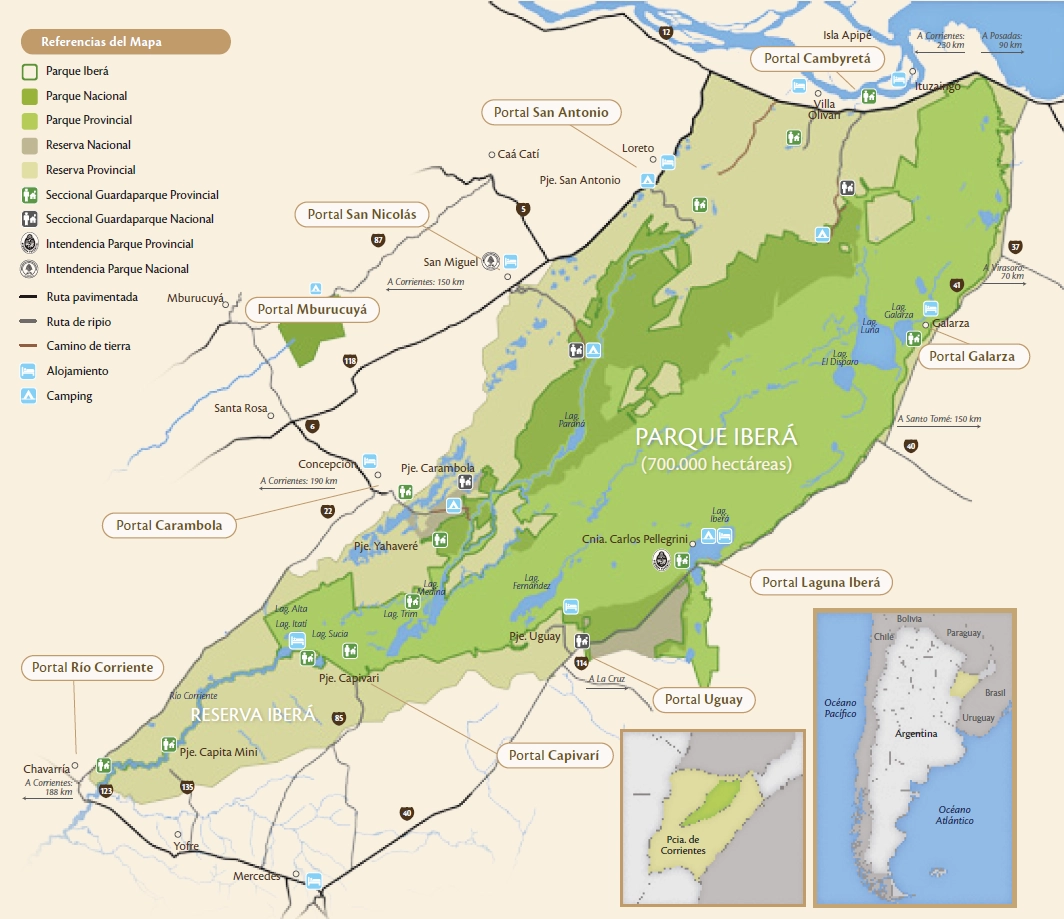
Carambola Portal · Concepción del Yaguareté Corá
The deep Iberá.
Where the water has history.
Some portals open geographical doors. The Carambola Portal opens a door in time.
The Carambola stream rises near Loreto, where Jesuit missionaries established their cattle ranches in the 17th century. It flows between northeast-to-southwest sand ridges — the same ridges that trace the roads toward Corrientes today — and navigating it grants access to the depths of those ancient estancias as those who arrived after the Jesuit expulsion of 1768 found them: vast, silent and teeming with life.
Through the 19th and early 20th centuries, the mariscadores — marsh hunters — were the masters of these streams. Men who spent months deep in the wetlands with nothing but a flat-bottomed canoe and a dog, hunting capybara, caiman and deer for their hides. They knew the labyrinth of water and vegetation like no one else. They slept on small islands where they dried the skins and built reed shelters.
When Iberá Natural Reserve was created in 1983 and hunting was banned, those same wetland guides became its first guardians. Their children and grandchildren are the park rangers and guides of Iberá National Park today. The story of this place is theirs to tell.
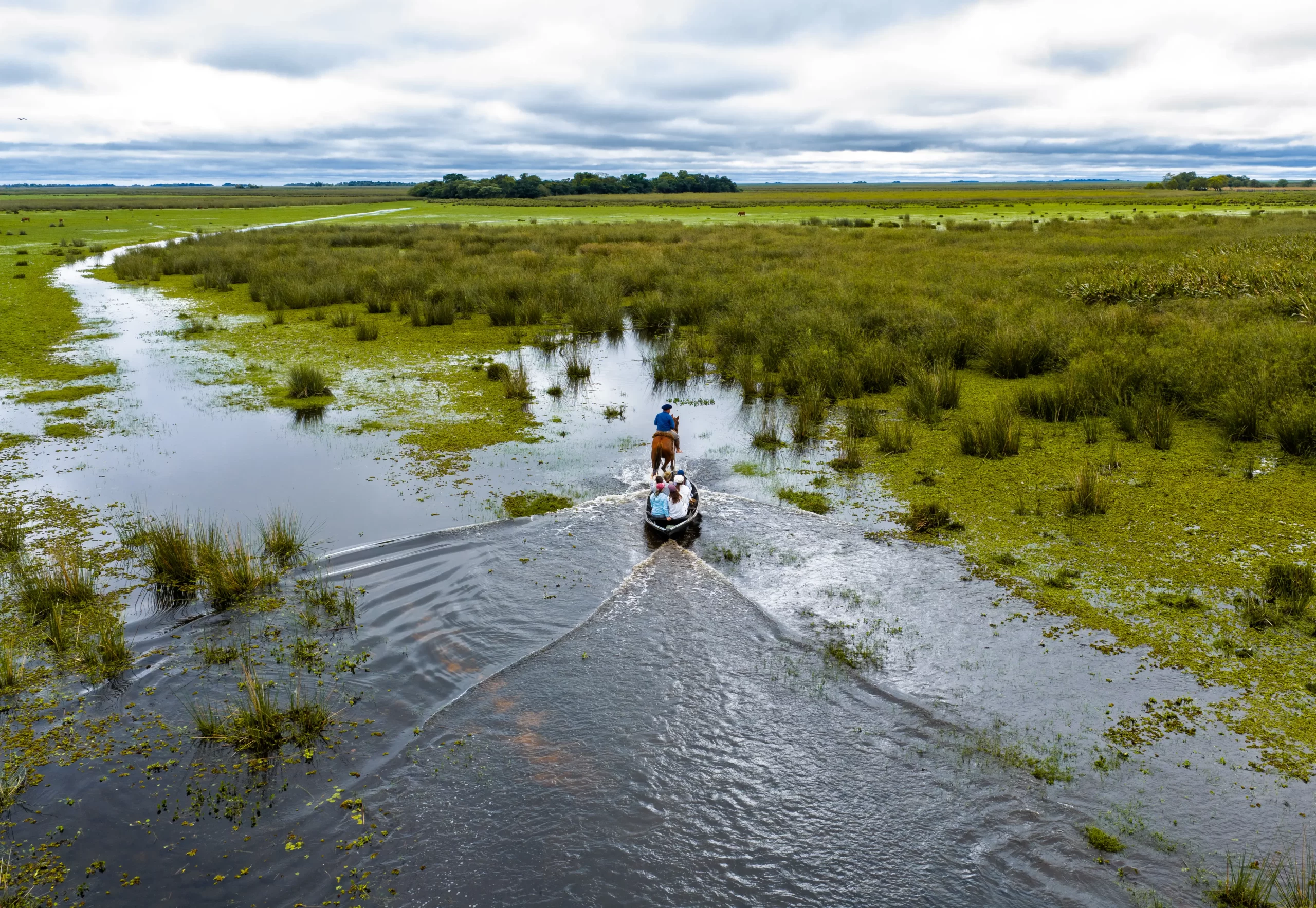
"The marsh hunters knew the wetland territory like no one else. They ventured into the esteros by canoe for months at a time, sleeping on tiny islands. In 1983, when hunting was banned, they became Iberá's first guardians."
Grand Iberá Park Public Use Plan, 2020 editionThe town where Guaraní is still spoken daily
Concepción del Yaguareté Corá
30 km from the portal, Concepción del Yaguareté Corá carries its history in its name: yaguareté is jaguar in Guaraní, cora means enclosed place. The town was founded over 200 years ago by Guaraní communities who fled the Jesuit Missions after the 1768 expulsion, bringing with them the skills of the Jesuit estancias and a language that has been, since Provincial Law N° 5,598 of 2004, official in Corrientes alongside Spanish.
General Manuel Belgrano passed through Concepción in 1810. The Drummer of Tacuarí — a national symbol of youthful courage — was born in these lands. The Manuel Belgrano Historical Museum and the Museum of Rural Life (Ñanderecó) welcome those who want to understand the cultural depth of the region.
The town is home to over 45 domestic chapels where each family venerates their patron saint with celebration, chamamé — UNESCO Intangible Cultural Heritage since 2020 — and chipá. La Pilarcita — a girl spontaneously beatified by the local community — draws pilgrims from across the province each year. The local cuisine uses the same ingredients as the Guaraní: cassava, corn, andaí squash, sweet potato and fresh cheese.
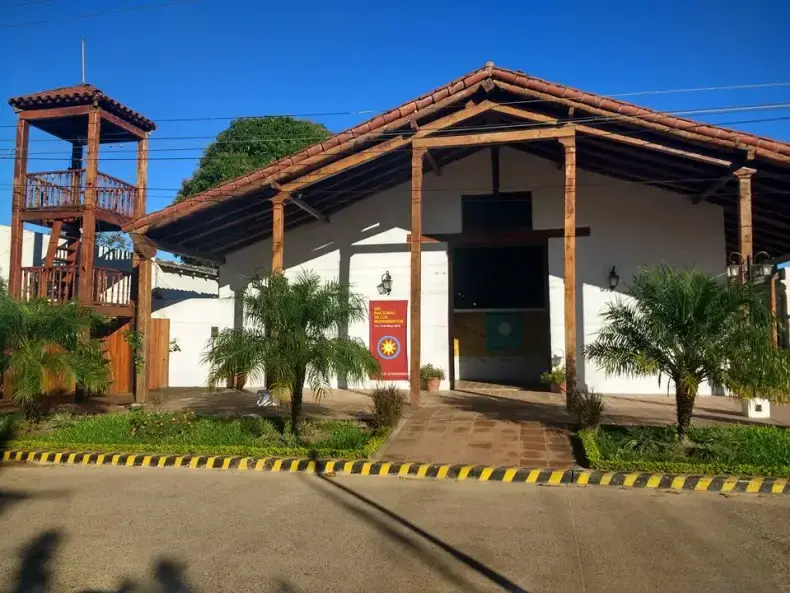
Why choose the Carambola Portal
Experiences that exist nowhere else in Iberá
The horse-drawn canoe — pulled by a horse wading through the stream — and aquatic horse-riding are ancestral practices preserved exclusively at the Carambola Portal, highlighted by BBC Travel. See all available experiences →
The deepest cultural roots in Iberá
Of all the portals, Carambola concentrates the most living culture of the wetland people: yopará (the daily mix of Guaraní and Spanish), family chapels, chamamé by the fire and indigenous-rooted gastronomy.
Accessible without a 4×4
The 30 km of gravel road from Concepción is passable in any standard vehicle in normal weather conditions. It is the Iberá National Park portal with the best road infrastructure. How to get here →
A gateway to the inner Iberá
From Puerto Juli Cué, once out on the Carambolita stream, it is possible to travel for days into the same territory once navigated by the marsh hunters: interior islands, unnamed lagoons, remote places where the last wetland families maintain their traditions intact.
Carambola Portal
Visit Iberá from El Tránsito
El Tránsito lodge is located inside the Carambola Portal, the western gateway to the Grand Iberá Park. From the lodge, guests head directly out onto the Carambolita stream — no transfers, no waiting — with local guides who know the wetland like their own backyard.
The Carambola Portal is the historic point of access to the deep Iberá: the territory of the horse-drawn canoe, the traditional pole-pushed boat and the islands inhabited by families who keep the traditions of the estero alive.
Explore the lodge
Frequently asked questions
Everything you need to know about the Iberá Wetlands
What is the Grand Iberá Park?
It is the union of Iberá National Park (158,000 ha) and Iberá Provincial Park (600,000 ha), totalling 758,000 ha of protected area. The full basin — the Iberá Natural Reserve — covers 1,300,000 ha in Corrientes. One of the most important and biodiverse wetlands in South America.
What does "Iberá" mean?
Iberá means "shining water" in the Guaraní language, referring to the vast water mirrors that define the landscape of this Corrientes wetland and catch the light in a singular way.
When is the best time to visit Iberá?
The ideal season is austral winter (June–August): cool temperatures of 12–20°C, low humidity, clear skies and wildlife concentrated near the water. Iberá can be visited year-round; summer is hot and humid but equally active in wildlife. See how to get here →
What wildlife can I see?
At El Tránsito you are fully immersed in the Iberá Wetlands: within minutes you are navigating the wetland. Animals live in complete freedom, so no specific sighting is guaranteed. That said, encounters with capybara, marsh deer, rhea and caiman are very frequent, along with over 350 recorded bird species. All excursions are led by professional guides. See all experiences →
Where is the Carambola Portal?
In the west of the Grand Iberá Park, 27 km from Concepción del Yaguareté Corá (Corrientes). From Corrientes city it is ~207 km (180 km paved + 27 km gravel). El Tránsito lodge is inside the portal, with direct access to the Carambolita stream. Map and directions →
What is rewilding in Iberá?
Since 2007, Iberá has been home to the most ambitious multi-species rewilding programme in Latin America, coordinated by Fundación Rewilding Argentina. Reintroduced species include the giant anteater, collared peccary, red-and-green macaw, pampas deer and black-fronted piping guan. The jaguar population now numbers over 50 free individuals.
How much time do I need?
A minimum of 3 nights is recommended for a complete experience. In that time it is possible to take boat trips, kayak, horseback ride and walk guided trails, observe wildlife at dawn, dusk and night, and connect with the local culture of Concepción del Yaguareté Corá. See all available experiences →
How large is Iberá National Park?
Iberá National Park, created by law on 5 December 2018 on land donated by Tompkins Conservation and Rewilding Argentina, covers 158,000 ha. Together with the Provincial Park (600,000 ha), they form the Grand Iberá Park of 758,000 ha, within the Natural Reserve of 1,300,000 ha.